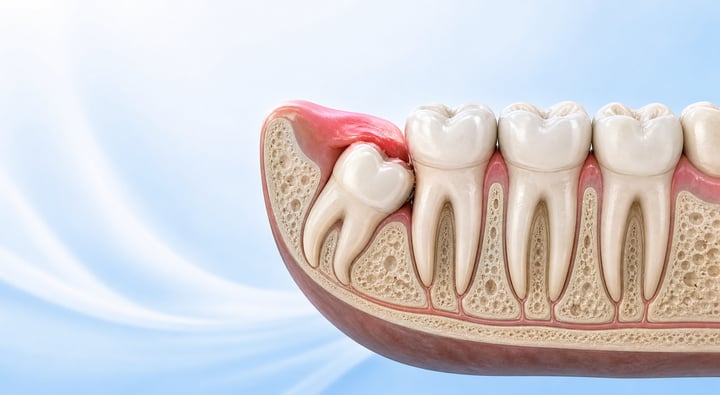
Impacted wisdom teeth are familiar to most people, but did you know other teeth, especially the canines, can also become trapped beneath the gum or bone and fail to erupt properly?
Canine teeth, often called “eye teeth,” are the sharp, slightly pointed teeth located on either side of the incisors in the upper and lower jaw. The upper canines play a crucial role in long-term oral health by guiding the bite, maintaining proper alignment, and contributing to the creation of a balanced, natural-looking smile.
When these teeth do not erupt as expected, the condition is known as impacted canine teeth. Roughly two to three out of every 100 patients experience this issue, most often during the early teenage years when permanent teeth are developing.
Without timely treatment, impacted canines can lead to crowding, damage to neighboring teeth, cyst formation, and more complex orthodontic challenges later.
Understanding how this condition is diagnosed and treated helps families feel confident about the next steps in care.
Why Canine Teeth Become Impacted
There are several reasons why a canine tooth might fail to emerge naturally:
- Overcrowded Teeth: When there isn’t enough room in the dental arch for all teeth to erupt correctly.
- Misalignment: Teeth may grow at an improper angle, blocking the canine’s natural path.
- Extra Teeth (Supernumerary Teeth): These can prevent normal tooth eruption.
- Cysts or Growths: Unusual tissue development in the jaw can obstruct eruption.
- Tooth Ankylosis: Occurs when a tooth fuses directly to the bone, restricting movement.
Because the upper canines (maxillary canines) have a long and complex eruption path, they are far more likely to become impacted than lower canines.
Signs and Symptoms
An impacted canine may not always cause immediate discomfort, but over time, you might notice:
- Delayed eruption of adult teeth compared to peers.
- Persistent baby teeth that haven’t fallen out.
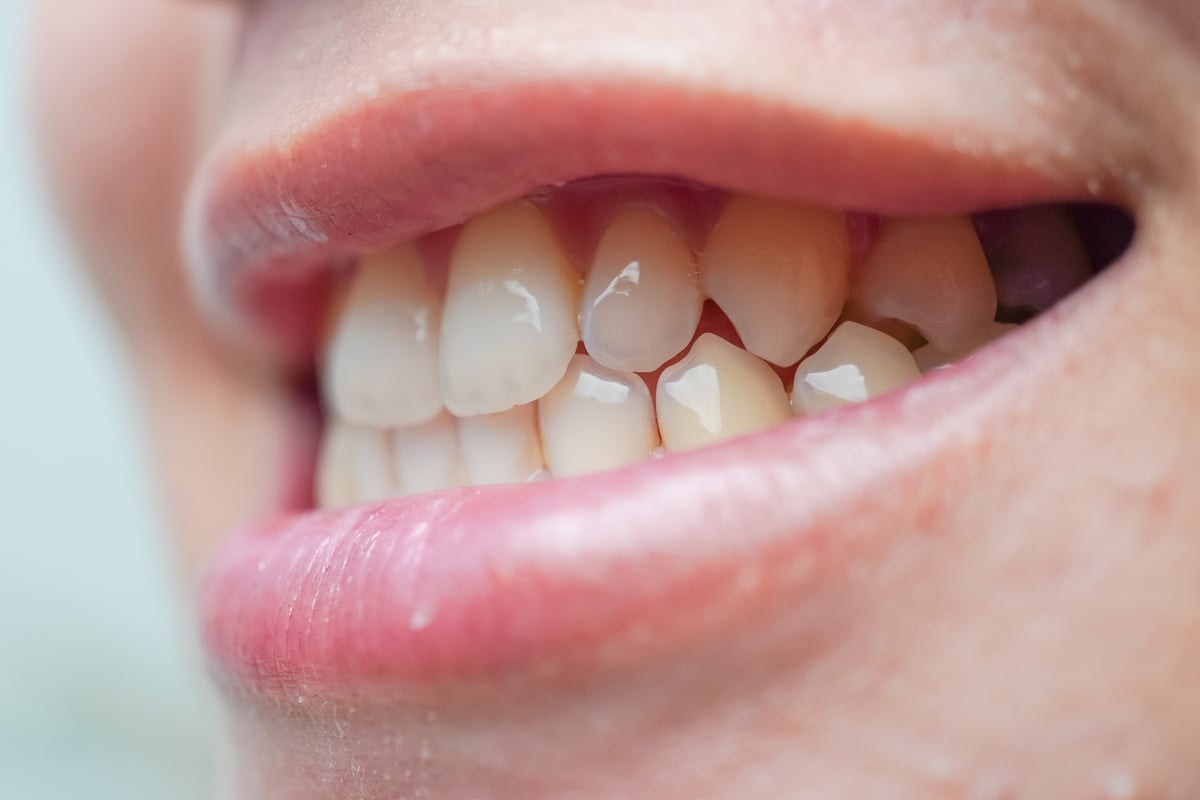
- Misaligned teeth or spacing issues.
- Swelling or tenderness in the gum above the impacted tooth.
- In some cases, infection or cyst formation occurs under the surface.
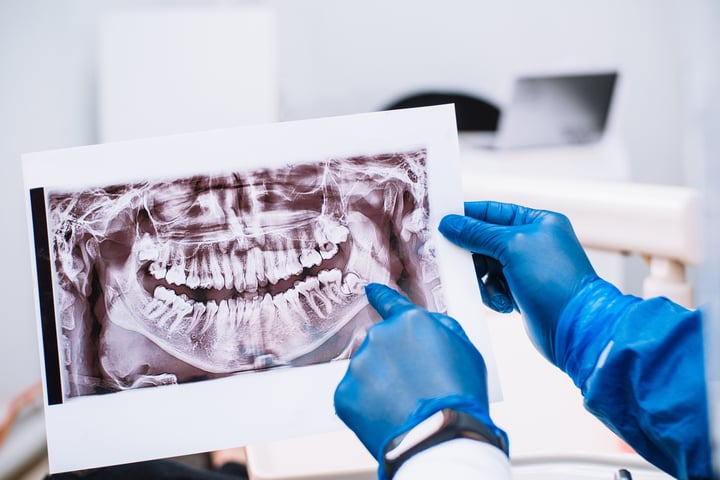
Regular dental visits are the best way to catch these issues early. Your dentist can use panoramic X-rays or 3D scans to locate an impacted canine before it causes complications.
Why Early Detection Matters
Treating an impacted canine is typically simpler and more successful when diagnosed in the early teen years (by age 13) before the tooth becomes fully trapped in the bone. Early monitoring allows your dental team to create space for the tooth through orthodontics or plan a coordinated treatment with an oral surgeon if surgical exposure is needed.
Without timely care, impacted canines can:
- Push neighboring teeth out of alignment.
- Damage or resorb the roots of adjacent teeth.
- Cause cysts or infections.
- Affect your bite symmetry and smile aesthetics.
How Oral Surgeons Treat Impacted Canines
At Northwest Oral & Maxillofacial Surgery, our board-certified surgeons collaborate closely with orthodontists to correct impacted teeth and guide them into their proper position.
After imaging confirms the exact location of the impacted tooth, your surgeon may recommend a surgical exposure and bonding procedure.
Here’s how it works:
- Local anesthesia or sedation ensures you are comfortable throughout the procedure.
- The surgeon gently exposes the impacted tooth through a small incision in the gum.
- A small orthodontic bracket or chain is attached to the tooth.
- Your orthodontist then gradually guides the tooth into position using gentle, controlled movement over time.
Most impacted canines are located on the palatal (roof of the mouth) side of the upper jaw, though some are positioned higher in the bone or toward the outer (facial) surface. Each case is unique, and your treatment plan will be customized based on the tooth’s location and your overall orthodontic goals.
What to Expect from the Procedure
Exposure and bonding are typically performed in an outpatient setting.
Patients are kept comfortable with appropriate anesthesia, and most return to normal routines within a few days. Mild swelling or soreness is common but manageable with medication and post-operative instructions.
The orthodontist will then begin the gradual process of guiding the tooth into place.
When Extraction Is Necessary
In some situations, the canine may be severely displaced, fused to bone, or unlikely to move successfully. When this occurs, alternative plans such as removal and replacement may be discussed.
Your surgeon and orthodontist will review imaging and explain the best path forward.
Why an Oral Surgeon Is Often Recommended
Impacted canines are frequently positioned high in the jaw and close to the roots of other teeth. Accessing them safely requires specialized training and experience.
Oral and maxillofacial surgeons are uniquely qualified to:
- Interpret advanced imaging.
- Protect adjacent teeth and structures.
- Manage anesthesia safely.
- Work closely with orthodontic partners.
The goal is always the same: bring the tooth into position with minimal risk and maximum long-term success.
Restoring Function and Confidence
Once properly aligned, the canine tooth contributes not only to a symmetrical smile but also to proper bite function and long-term oral health. Patients who undergo this collaborative treatment can expect improved comfort, facial balance, and a reduced risk of complications down the line.
Schedule a Consultation
If you or your child has been told you have an impacted canine, or you suspect one tooth hasn’t erupted properly, early evaluation is key.
The experienced, board-certified surgeons at Northwest Oral & Maxillofacial Surgery can assess your situation and work closely with your orthodontist.
Contact our office today to schedule an appointment and learn how we can create a personalized treatment plan to guide the tooth safely into place.