When people think about dental implants, titanium implants are usually the first thing that comes to mind, and for good reason. For decades, titanium has been the gold standard in implant dentistry because of its durability, reliability, and long-term success rates. Patients looking for a strong, natural-feeling replacement for missing teeth often choose titanium implants because they are backed by years of research and proven clinical performance.
At Northwest Oral & Maxillofacial Surgery, patients frequently ask why titanium continues to dominate modern implant dentistry. The answer comes down to science, strength, and long-term predictability. Titanium implants are designed to function like natural tooth roots, providing a stable foundation for crowns, bridges, or dentures while helping preserve jawbone health.
What Makes Titanium So Effective?
Titanium is a lightweight yet incredibly strong metal that has been used in medical procedures for decades. It is commonly used in orthopedic surgeries, joint replacements, and other medical implants because the human body responds exceptionally well to it.
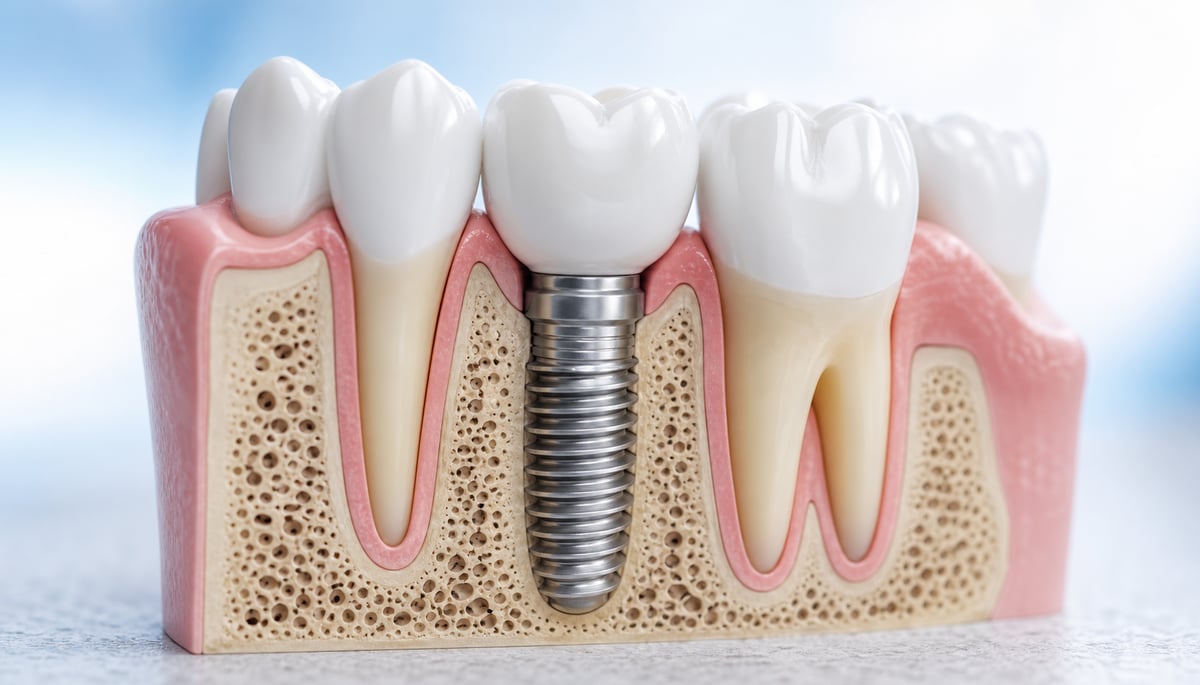
One of titanium’s biggest advantages is a process called osseointegration. This is when the titanium implant naturally fuses with the jawbone over time, creating a secure and durable connection. Unlike temporary tooth replacement options, dental implants become part of the jaw structure itself.
This integration process is one of the main reasons titanium implants have such impressive long-term success rates. Studies consistently show survival rates of 95% or higher over long periods of time.
The Long-Term Benefits of Titanium Implants
Exceptional Durability:
Titanium is known for its strength and resistance to wear. Dental implants must withstand years of chewing, biting, and daily use, and titanium performs exceptionally well under pressure.
Unlike removable dentures that may shift or wear down over time, titanium implants provide stability and longevity. With proper oral hygiene and routine dental care, many titanium implants can last decades.
For patients seeking a long-term tooth replacement solution, this durability is a major advantage.
Biocompatibility With the Human Body:
One reason titanium became the preferred implant material is that it is highly biocompatible. This means the body generally accepts titanium very well, reducing the likelihood of complications or rejection.
The implant surface is designed to encourage bone attachment, helping create a secure bond between the implant and jawbone. This biological compatibility plays a major role in implant success.
Millions of titanium implants are placed worldwide every year, and decades of clinical data continue to support their safety and effectiveness.
Titanium Implants Help Preserve Jawbone Health
When a tooth is lost, the jawbone underneath no longer receives stimulation from chewing forces. Over time, this can lead to bone deterioration, also known as bone resorption.
Dental implants help combat this problem because they function similarly to natural tooth roots. Titanium implants transfer chewing pressure into the jawbone, helping maintain bone density and facial structure.
This is an important advantage over traditional dentures, which rest on top of the gums and do not stimulate the bone underneath.
According to the American Academy of Implant Dentistry, approximately 25% of bone width can be lost within the first year after losing a tooth. Implants can help slow or prevent this process.
Improved Comfort and Stability
Traditional removable dentures can sometimes shift, slip, or cause irritation during eating and speaking. Titanium implants provide a fixed solution that feels significantly more stable.
Because implants are anchored directly into the jawbone, patients often report that they feel more like natural teeth than other replacement options. This added stability can improve confidence during conversations, meals, and social situations.
Patients who switch from dentures to implant-supported restorations frequently notice improvements in:
- Chewing efficiency
- Speech clarity
- Overall comfort
- Confidence and self-esteem
A Natural Appearance
Modern dental implants are designed to look highly natural when paired with custom restorations. The titanium implant itself is hidden beneath the gums, while the visible crown is carefully crafted to match surrounding teeth.
The result is a seamless appearance that blends naturally with the smile.
For many patients, implants restore not only oral function but also confidence in their appearance.
Titanium Implants Have Decades of Research Behind Them
One of the strongest arguments for titanium implants is the extensive clinical research supporting their use.
Titanium dental implants have been studied for decades, giving oral surgeons and restorative dentists valuable data on long-term outcomes. This level of research allows providers to confidently recommend titanium implants for many patients.
Because titanium implants have such a long history of successful use, clinicians have refined surgical techniques and treatment planning to improve outcomes even further.
In modern implant dentistry, predictability matters, and titanium continues to deliver reliable results.
Versatility for Different Treatment Needs
Titanium implants can support a wide variety of dental restorations, making them a versatile option for many patients.
They may be used for:
- Single tooth replacement
- Implant-supported bridges
- Full-arch restorations
- Implant-retained dentures
Whether someone is missing one tooth or an entire arch, titanium implants can often provide a customized treatment solution.
Improved Quality of Life
Missing teeth can affect more than just appearance. Tooth loss may impact nutrition, speech, confidence, and overall oral health.
Studies have shown that patients with dental implants often experience improved quality of life because implants restore both function and aesthetics. Being able to eat favorite foods comfortably, smile confidently, and speak clearly can make a meaningful difference in daily life.
For many people, titanium implants represent an investment not only in oral health but also in long-term comfort and confidence.
Are Titanium Implants Right for Everyone?
While titanium implants are an excellent solution for many patients, every case is unique. Factors like bone density, overall oral health, medical history, and lifestyle habits all play a role in determining candidacy.
A comprehensive evaluation with an experienced oral surgeon is the best way to determine whether dental implants are the right option.
In some cases, additional procedures such as bone grafting may be recommended to create a strong foundation for implant placement.
Why Patients Continue to Choose Titanium Implants
Titanium remains the industry standard because it consistently delivers the qualities patients value most:
- Strength
- Longevity
- Stability
- Bone preservation
- Natural function
- Proven clinical success
For decades, titanium implants have helped millions of patients restore their smiles and improve their oral health. As implant technology continues to evolve, titanium remains one of the most trusted and researched materials in modern dentistry.
Restore Your Smile with Northwest Oral & Maxillofacial Surgery
If you are considering dental implants, the experienced team at Northwest Oral & Maxillofacial Surgery can help you explore your treatment options and determine whether titanium implants are right for you. From single tooth replacement to full-mouth restoration, dental implants can provide a durable, natural-looking solution designed to last for years to come.
Titanium dental implants offer strength, stability, and long-term results that can help you eat, speak, and smile with confidence again. Contact Northwest Oral & Maxillofacial Surgery today to schedule a consultation and learn how dental implants can provide a durable, natural-looking solution for missing teeth.