
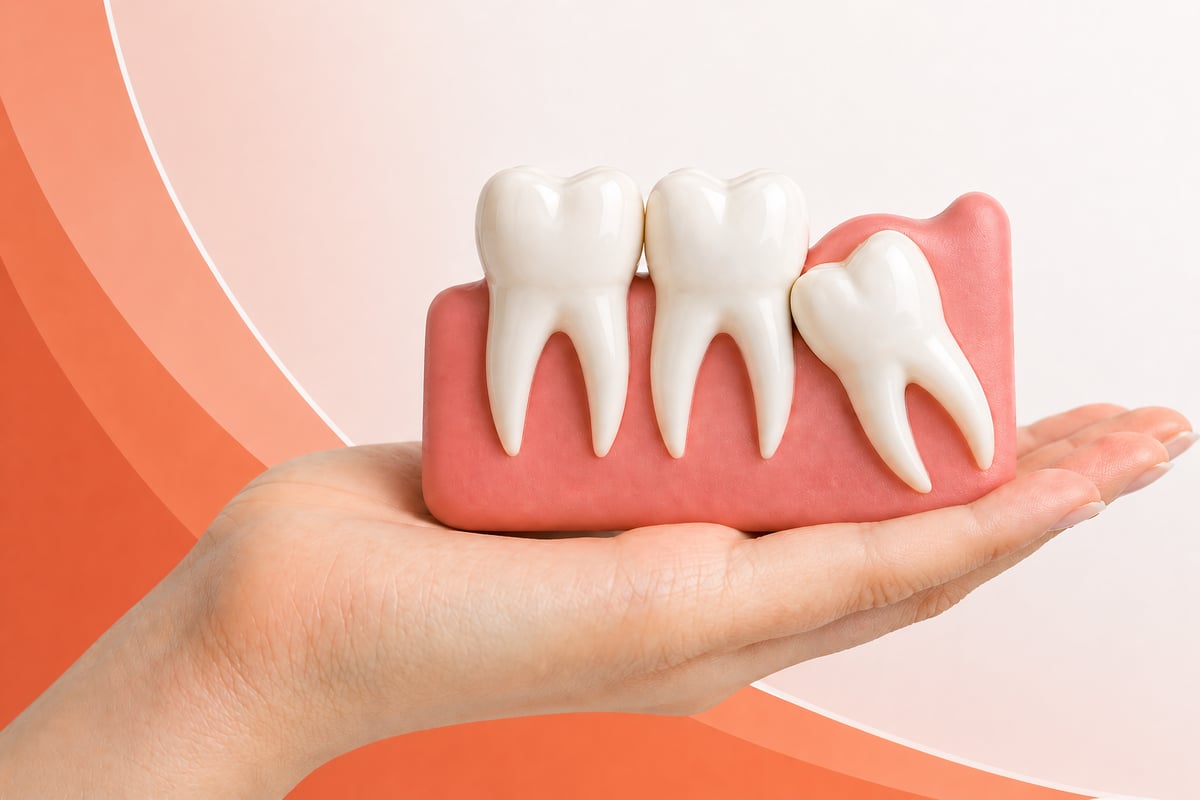
Wisdom teeth, also known as third molars, are often viewed as a “wait until it hurts” dental issue. But the reality is more complex. Many problems associated with wisdom teeth develop quietly, without pain or obvious symptoms. That’s why understanding when to evaluate and potentially remove them, especially in your 20s or 30s, can make a significant difference in your long-term oral health.
At Northwest Oral & Maxillofacial Surgery, we believe timing matters. Here’s what you need to know about silent risks, ideal evaluation windows, and when early intervention may be the best choice.
Why Wisdom Teeth Are So Commonly Removed
Wisdom teeth typically emerge between ages 17 and 25, making this the most common window for evaluation and removal.
In fact:
- 85% of people will eventually need their wisdom teeth removed.
- Up to 90% of adults have at least one impacted wisdom tooth.
- About 50% of people have had at least one removed by age 25.
Why so common? Because the human jaw typically only has room for 28 teeth, yet wisdom teeth are numbers 29–32. When there isn’t enough space, problems often develop beneath the surface.
The “Silent” Problems You Might Not Feel
One of the biggest misconceptions about wisdom teeth is that pain is the first warning sign. In reality, many issues develop quietly and worsen over time.
1. Crowding and Shifting Teeth:
As wisdom teeth try to erupt, they can push against neighboring teeth. This pressure can contribute to crowding, especially problematic if you’ve had orthodontic treatment.
2. Impaction (Teeth Stuck Below the Surface):
Impacted wisdom teeth are extremely common.
Impacted teeth may:
- Remain trapped in the jawbone
- Grow sideways or at an angle
- Partially emerge, creating hard-to-clean areas
Even if they don’t hurt, impacted teeth can lead to future complications.
3. Infection and Gum Disease:
Partially erupted wisdom teeth create pockets where bacteria thrive. This can lead to infections like pericoronitis, sometimes without noticeable symptoms early on.
4. Damage to Neighboring Teeth:
Wisdom teeth can press against second molars, increasing the risk of:
- Tooth decay
- Bone loss
- Periodontal (gum) disease
Research shows that adjacent teeth can develop damage, even when wisdom teeth feel “fine.”
5. Cysts and Other Pathology:
In rare cases, fluid-filled cysts can form around impacted teeth. While uncommon, these can damage bone and surrounding structures if left untreated.
Why Your 20s Are Often the Ideal Time
Most oral surgeons recommend evaluating wisdom teeth in the late teens to early 20s, and for good reason.
Easier Surgery & Faster Healing:
- Roots are not fully developed
- Bone is more flexible
- Recovery is typically quicker
This is why most removals occur between the ages of 17 and 25.
Preventing Future Problems:
Even if your wisdom teeth aren’t causing symptoms now, studies show that 30–60% of asymptomatic wisdom teeth eventually require removal within 4–12 years.
Early removal can help you avoid:
- Emergency infections
- Damage to nearby teeth
- More complex surgery later
What About Wisdom Teeth in Your 30s?
If you’re in your 30s and still have your wisdom teeth, you’re not alone. Many adults delay removal, especially if they’ve never experienced pain.
However, timing still matters.
Increased Risk of Complications:
As you age:
- Bone becomes denser
- Roots are fully formed
- Healing takes longer
This can make surgery more complex and recovery slower compared to your 20s.
Did you know? Around 10 million wisdom teeth are removed in the U.S. each year.
Higher Chance of Disease Development:
Research shows that dental disease (like decay or gum issues) becomes more common with age in retained wisdom teeth. Even teeth that were once “healthy” can develop problems over time.
Signs You Should Schedule an Evaluation
Even without pain, it’s smart to have your wisdom teeth evaluated if you notice:
- Crowding or shifting teeth
- Difficulty flossing behind your molars
- Occasional gum swelling or irritation
- Bad taste or odor (possible infection)
- Jaw stiffness or pressure
But here’s the key: you don’t need symptoms to justify an evaluation. Routine dental X-rays often reveal hidden issues long before they become painful.
Monitoring vs. Early Removal: What’s Right for You?
Not every wisdom tooth needs to be removed immediately. In some cases, careful monitoring is appropriate.
However, removal is often recommended when:
- There isn’t enough space for proper eruption
- The tooth is impacted or partially erupted
- There’s evidence of decay, infection, or bone loss
- Future risk is high based on positioning
Because it’s impossible to predict which wisdom teeth will cause problems, regular evaluation is essential.
The Bottom Line: Timing Matters More Than Symptoms
Waiting for pain isn’t always the best strategy when it comes to wisdom teeth. Many of the most serious issues, like cysts, bone loss, or damage to neighboring teeth, can develop silently.
Your 20s are typically the ideal time for evaluation and, if needed, removal. But even in your 30s, proactive care can prevent more complex problems down the road.
Don’t Wait for a Problem to Start
Wisdom teeth don’t always announce themselves with pain, but that doesn’t mean they’re harmless. Early evaluation gives you options, helps prevent complications, and allows for simpler treatment when needed.
Not sure what your wisdom teeth are doing? The best time to find out is before they cause problems.
Schedule a consultation with Northwest Oral & Maxillofacial Surgery today. Our team will evaluate your wisdom teeth with advanced imaging, explain your options, and help you make the right decision, whether that’s monitoring or removal. Don’t wait for pain. Take a proactive approach to your oral health and protect your smile for years to come.