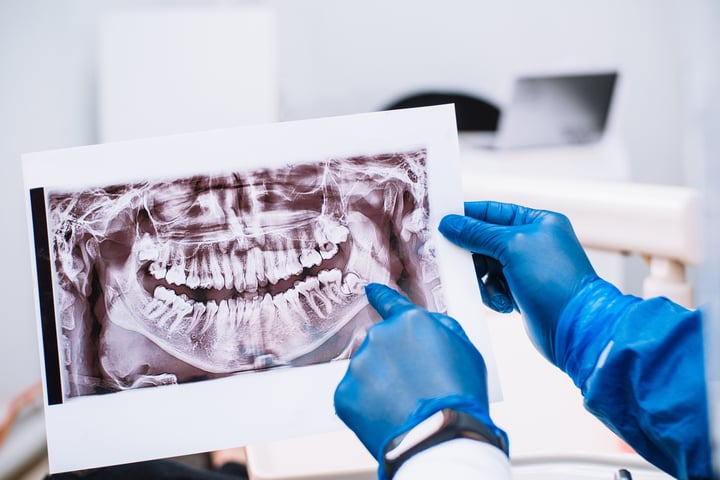
Wisdom teeth are the last set of molars to emerge, usually between the ages of 17 and 25. While some people never experience problems with these third molars, many develop complications as the teeth erupt. One of the most common and painful issues is a wisdom tooth infection. Recognizing infected wisdom tooth symptoms early can help prevent serious oral health complications and get you the treatment you need before the condition worsens.
At Northwest Oral & Maxillofacial Surgery, patients often ask whether their discomfort is “normal wisdom tooth pain” or a sign of infection. The truth is that wisdom tooth infections can escalate quickly, especially when partially erupted or impacted teeth trap bacteria beneath the gums.
What Causes a Wisdom Tooth Infection?
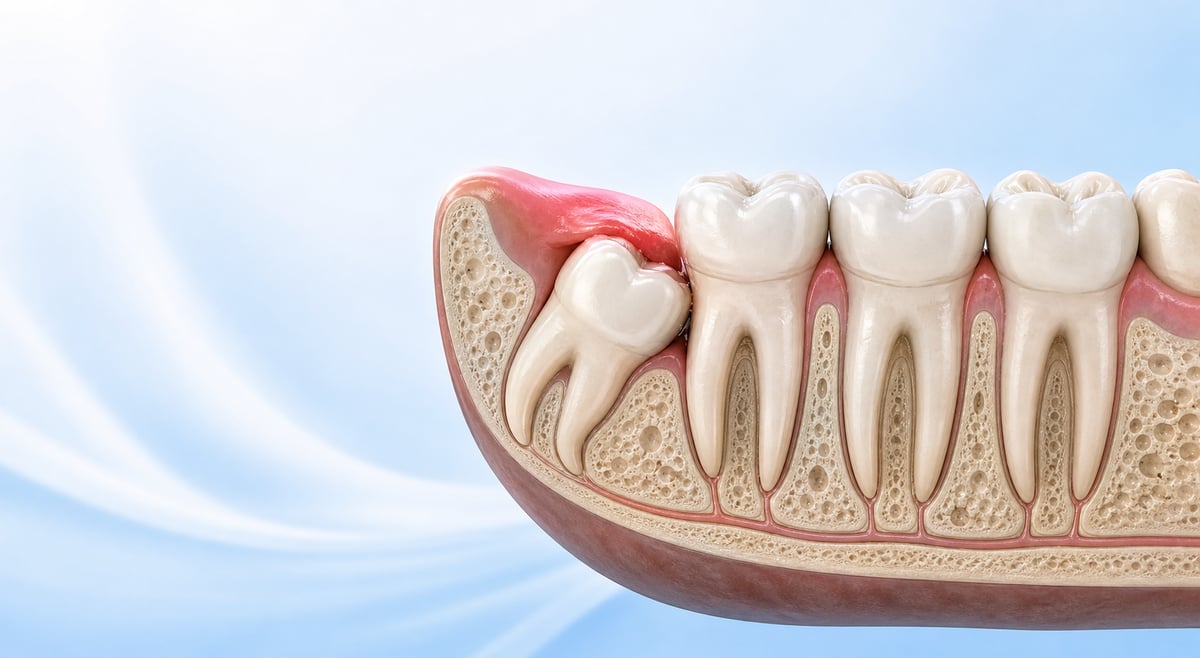
A wisdom tooth infection, commonly called pericoronitis, occurs when bacteria become trapped around a partially erupted wisdom tooth. Because wisdom teeth often do not have enough room to emerge properly, they may remain partially covered by gum tissue. This creates a pocket where food debris, plaque, and bacteria can collect.
Studies show that approximately 95% of pericoronitis cases involve lower wisdom teeth.
The condition is especially common in young adults because wisdom teeth typically erupt during the late teens and twenties. Impacted teeth, poor oral hygiene around the area, and repeated irritation from opposing teeth can all increase the risk of infection.
Common Infected Wisdom Tooth Symptoms
Many people mistake early infection symptoms for temporary soreness from erupting teeth. However, infected wisdom tooth symptoms are usually more severe and persistent.
1. Persistent Pain in the Back of the Mouth:
Pain is often the first and most noticeable symptom. Unlike mild pressure from tooth eruption, infection-related pain may throb, radiate into the jaw, ear, or neck, and worsen over time.
The discomfort may become especially noticeable while chewing, biting, or opening your mouth.
2. Swollen Jaw and Wisdom Teeth Issues:
One of the clearest warning signs is swelling near the affected tooth. Patients frequently experience swollen jaw and wisdom teeth symptoms when infection spreads into the surrounding gum tissue.
You may notice:
- Puffy or red gums near the wisdom tooth
- Facial swelling on one side
- Tenderness around the jawline
- Difficulty opening your mouth fully
In more advanced cases, swelling can affect the cheeks, neck, or lymph nodes.
3. Red, Inflamed, or Bleeding Gums:
Infected gum tissue around wisdom teeth often becomes irritated and swollen. The gums may bleed when brushing or flossing and feel tender to the touch. According to the Centers for Disease Control and Prevention, swollen and bleeding gums are common indicators of oral infection and inflammation.
4. Bad Breath or a Foul Taste:
When bacteria collect around an infected wisdom tooth, they release sulfur compounds that can create persistent bad breath and an unpleasant taste in the mouth. Some patients notice pus drainage or a salty, metallic taste coming from the infected area.
If mouthwash and brushing do not eliminate the odor, it may signal a deeper infection.
5. Difficulty Opening the Mouth:
As inflammation spreads into the jaw muscles, patients may experience trismus, or limited jaw movement. This symptom can make eating, speaking, and even yawning painful.
Difficulty opening the mouth is often a sign that the infection has progressed and should not be ignored.
6. Fever or Feeling Sick:
A mild fever may occur when the body is fighting an infection. Some patients also report fatigue, swollen lymph nodes, or general flu-like symptoms.
If fever develops alongside facial swelling or severe pain, urgent dental care is recommended.
Why Wisdom Tooth Infections Can Become Dangerous
Although some infections start small, they can spread surprisingly quickly if left untreated. Bacteria from an infected wisdom tooth can move into surrounding tissues, the jaw, and even deeper areas of the neck and face. In rare cases, untreated dental infections may lead to serious medical emergencies involving the airway or bloodstream.
This is one reason oral surgeons often recommend early evaluation for problematic wisdom teeth rather than waiting for severe symptoms to appear.
Who Is Most at Risk?
Several factors increase the likelihood of developing a wisdom tooth infection:
- Partially erupted wisdom teeth
- Impacted wisdom teeth
- Poor oral hygiene around hard-to-reach molars
- Crowded teeth
- Chronic gum inflammation
- Smoking
- Weakened immune systems
According to data from the Centers for Disease Control and Prevention, untreated dental decay remains common in adults, affecting roughly 1 in 5 adults ages 20–64. Poor oral health conditions can increase the risk of infection around wisdom teeth as well.
How Wisdom Tooth Infections Are Treated
Treatment depends on the severity of the infection and the position of the wisdom tooth.
Cleaning and Irrigation: For mild infections, a dental professional may clean the area thoroughly to remove trapped bacteria and debris. Saltwater rinses or prescription antimicrobial rinses may also help reduce inflammation.
Antibiotics: If swelling or infection has spread, antibiotics may be prescribed to control bacteria before additional treatment is performed.
Wisdom Tooth Removal: In many cases, removing the wisdom tooth is the best long-term solution. Extraction eliminates the pocket where bacteria continue to accumulate and helps prevent recurring infections.
The American Dental Association notes that wisdom teeth may need removal when infection, pain, gum disease, or damage to nearby teeth develops.
When Should You Call an Oral Surgeon?
You should schedule an evaluation if you experience:
- Persistent pain near the wisdom teeth
- Swollen jaw
- Gum swelling or bleeding
- Bad breath that will not go away
- Trouble chewing or opening your mouth
- Fever or facial swelling
Prompt care can often prevent more severe complications and reduce the need for emergency treatment.
Protect Your Oral Health Before Infection Gets Worse
Wisdom tooth infections are more than just a temporary inconvenience. What begins as mild soreness can quickly progress into significant swelling, pain, and infection. Paying attention to infected wisdom tooth symptoms and seeking treatment early can protect both your oral health and your overall well-being.
If you are experiencing wisdom tooth pain, swelling, or signs of infection, the team at Northwest Oral & Maxillofacial Surgery can help evaluate your condition and recommend the right treatment plan for lasting relief. Schedule your consultation today and take the first step toward lasting relief and peace of mind.