
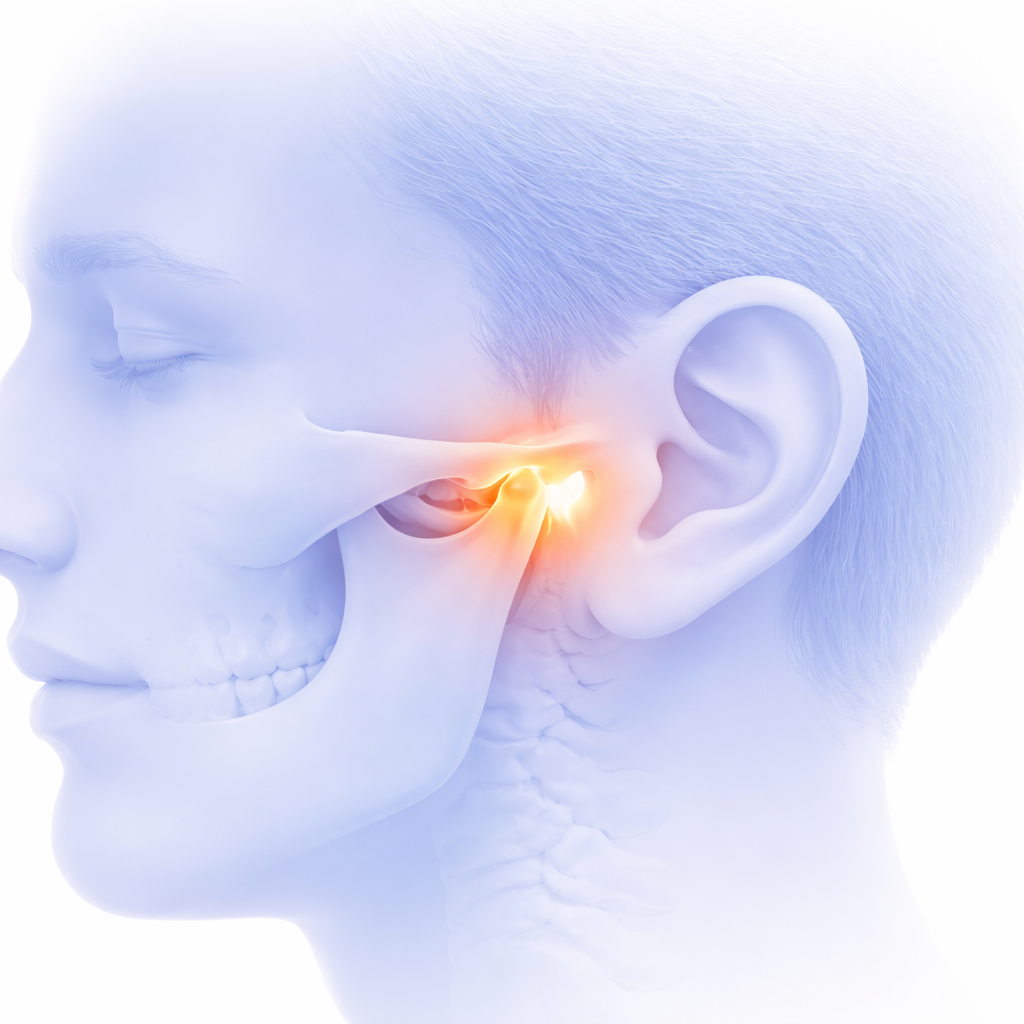
Jaw pain can be frustrating, uncomfortable, and sometimes confusing. Many people assume that any soreness or clicking in the jaw must be a TMJ disorder, but that’s not always the case. In reality, jaw pain can stem from several different causes, including muscle tension, dental issues, injury, or problems with the temporomandibular joint itself.
Understanding the difference between general jaw pain and temporomandibular joint (TMJ) disorders is important. If symptoms are ignored or misdiagnosed, they can worsen over time and affect everyday activities like eating, speaking, and sleeping.
In this guide, we’ll explain what TMJ disorders are, how they differ from regular jaw pain, common symptoms to watch for, and when it may be time to consult an oral surgeon.
What Is the TMJ?
The temporomandibular joint (TMJ) is one of the most complex joints in the body. You actually have two TMJs, located just in front of each ear, that connect your jawbone to your skull and allow your mouth to open, close, chew, and speak.
When these joints and the surrounding muscles function properly, you likely don’t notice them at all. However, when something disrupts this system, such as inflammation, injury, or muscle dysfunction, it can lead to temporomandibular disorders (TMD).
TMD is actually a group of more than 30 conditions that affect the jaw joint and the muscles that control jaw movement.
How Common Are TMJ Disorders?
TMJ disorders are more common than many people realize. Consider these statistics:
- Between 5% and 10% of the U.S. population experiences some form of TMD.
- Approximately 35 million Americans suffer from TMJ.
- Research suggests up to 31% of adults and 11% of children may experience TMD symptoms at some point.
- The condition is most common between the ages of 20 and 40.
Because the symptoms can vary widely, many people mistake TMJ disorders for simple jaw soreness or another dental issue.
Did you know? Stress and anxiety can contribute to TMJ symptoms by causing jaw clenching and muscle tension.
What Causes General Jaw Pain?
Not all jaw pain is related to the TMJ. In fact, temporary jaw discomfort is often caused by less serious conditions that resolve with minimal treatment.
Some common causes of general jaw pain include:
- Muscle strain from chewing gum or tough foods
- Dental problems, such as tooth infections or cavities
- Wisdom tooth eruption
- Minor jaw injuries
- Sinus infections
- Stress-related clenching
These types of jaw pain are typically localized, temporary, and mild. Symptoms may disappear within a few days once the underlying issue is resolved.
What Is a TMJ Disorder?
TMJ disorders occur when the jaw joint or surrounding muscles don’t function properly. This can happen due to inflammation, structural issues in the joint, arthritis, or chronic muscle tension.
Unlike simple jaw pain, TMJ disorders often involve multiple symptoms that affect the jaw, head, and neck.
Common contributing factors include:
- Teeth grinding or clenching (bruxism)
- Jaw injury or trauma
- Arthritis in the jaw joint
- Stress-related muscle tension
- Misalignment of the bite
- Connective tissue disorders
Because the temporomandibular joint is involved in so many daily functions, problems with it can affect your overall quality of life.
Did you know? TMJ disorders are considered the second most common musculoskeletal pain condition, after lower back pain.
Key TMJ Symptoms to Watch For
One of the biggest challenges with TMJ disorders is that the symptoms can overlap with other conditions. However, certain signs tend to indicate a problem with the jaw joint itself.
Common TMJ symptoms include:
Jaw Clicking or Popping:
A clicking or popping sound when opening or closing the mouth is one of the most recognizable TMJ symptoms. These sounds occur when the small disc inside the joint moves out of its normal position.
Jaw Pain or Tenderness:
Pain near the ear or along the jawline may worsen when chewing, talking, or opening the mouth widely.
Difficulty Opening or Closing the Mouth:
Some people experience jaw locking, where the jaw becomes temporarily stuck in an open or closed position.
Headaches or Facial Pain:
TMJ disorders can cause tension headaches, facial soreness, or pain that spreads into the neck and shoulders.
Ear Symptoms:
Because the TMJ sits close to the ear canal, some patients experience earaches, ringing in the ears (tinnitus), or a feeling of pressure in the ear.
Limited Jaw Movement:
People with TMJ disorders may notice that their jaw feels stiff or that they cannot open their mouth as wide as normal.
Jaw Pain vs. TMJ Disorder: Key Differences
While both conditions can cause discomfort, several important differences can help distinguish general jaw pain from a TMJ disorder.
1. Duration of Symptoms:
- Jaw Pain: Usually temporary and improves within days.
- TMJ Disorder: Symptoms may persist for weeks, months, or longer.
2. Number of Symptoms:
- Jaw Pain: Often limited to soreness in one specific area.
- TMJ Disorder: Often includes multiple symptoms like headaches, jaw popping, and ear discomfort.
3. Impact on Jaw Function:
- Jaw Pain: Rarely affects jaw movement significantly.
- TMJ Disorder: May cause limited movement, locking, or difficulty chewing.
4. Associated Sounds:
- Jaw Pain: Typically does not involve joint noises.
- TMJ Disorder: Clicking, popping, or grinding sounds are common.
Understanding these differences can help patients recognize when jaw discomfort might be part of a larger joint disorder.
When Should You See an Oral Surgeon?
Occasional jaw soreness isn’t usually a cause for concern. However, persistent symptoms may indicate a TMJ disorder or another underlying issue that requires professional evaluation.
You should consider seeing an oral surgeon if you experience:
- Jaw pain that lasts more than a few weeks
- Difficulty opening or closing your mouth
- Frequent clicking, popping, or grinding sounds
- Jaw locking or limited movement
An oral surgeon can evaluate the joint, identify the underlying cause of your symptoms, and recommend appropriate treatment options.
How TMJ Disorders Are Treated
Treatment for TMJ disorders depends on the cause and severity of symptoms. In many cases, conservative approaches can help relieve discomfort.
Common treatments include:
- Custom oral appliances or nightguards
- Physical therapy for jaw muscles
- Stress reduction techniques
- Anti-inflammatory medications
- Bite correction treatments
- Minimally invasive TMJ procedures
In more complex cases, oral and maxillofacial surgeons may recommend specialized treatments to restore proper joint function.
Don’t Ignore Persistent Jaw Pain
Jaw discomfort can sometimes seem minor, but persistent symptoms may signal a deeper issue involving the temporomandibular joint. Early diagnosis and treatment can help prevent worsening pain and improve long-term jaw function.
If you’re experiencing jaw clicking, pain, or difficulty opening your mouth, it may be time to seek professional guidance.
An experienced oral surgeon can determine whether your symptoms are caused by simple jaw strain or a TMJ disorder and recommend the right treatment to restore comfort and function.
The experienced team at Northwest Oral & Maxillofacial Surgery can evaluate your symptoms, diagnose the underlying cause, and recommend effective treatment options to restore your comfort and jaw function. Schedule a consultation today to find out whether your jaw pain could be related to a TMJ disorder and learn about the solutions available to help you feel better.