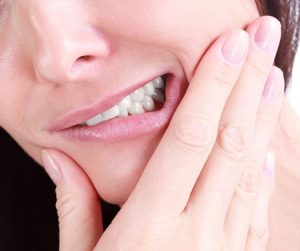

Most people associate wisdom teeth with swollen gums or discomfort in the back of the mouth. But what if your symptoms aren't limited to your teeth? Many patients are surprised to learn that headaches, earaches, jaw soreness, facial pressure, and even neck discomfort can sometimes be connected to their wisdom teeth.
If you've been wondering: can wisdom teeth cause headaches? The answer is yes, they can. While not every headache or earache is caused by wisdom teeth, impacted or improperly positioned third molars can create pressure and inflammation that radiates throughout the face and jaw.
Understanding the connection between wisdom teeth and these seemingly unrelated symptoms can help you know when it's time to schedule an evaluation.
How Wisdom Teeth Affect Nearby Nerves and Muscles
Wisdom teeth are the last permanent teeth to develop, usually appearing between the ages of 17 and 25. Unfortunately, many people simply don't have enough room in their mouths for these teeth to erupt properly.
In fact, the American Association of Oral and Maxillofacial Surgeons (AAOMS) reports that approximately 9 out of 10 people have at least one impacted wisdom tooth.
When wisdom teeth become impacted or trapped beneath the gums or jawbone, they can create significant wisdom tooth pressure against neighboring teeth, bone, muscles, and surrounding tissues.
This pressure may affect:
- Jaw muscles
- Facial muscles
- The temporomandibular joints (TMJ)
- Nearby nerves
- Surrounding ligaments
Because these structures are closely connected, pain doesn't always stay in one location. Instead, your brain may interpret the discomfort as pain elsewhere in the head or face, a phenomenon known as "referred pain."
Symptoms That May Be Related to Wisdom Teeth
Not everyone experiences the same symptoms. Some impacted wisdom teeth remain quiet for years, while others begin causing discomfort as they continue to develop.
Common impacted wisdom teeth symptoms include:
- Pain in the back of the mouth
- Swollen or tender gums
- Difficulty opening the mouth fully
- Facial swelling
- Bad breath
- Jaw stiffness
- Pain while chewing
- Pressure behind the molars
- Headaches
Impacted wisdom teeth may place pressure on surrounding tissues or create inflammation that radiates through the jaw and into the temples, cheeks, or forehead. This tension can contribute to headaches, especially if you're unconsciously clenching your jaw because of discomfort.
The pain may feel like:
- A dull ache near the temples
- Pressure across the cheeks
- Headaches that worsen while chewing
- Pain that starts near the jaw and spreads upward
The Cleveland Clinic notes that impacted wisdom teeth can cause radiating pain into the jaw, face, and head, making headaches one possible symptom.
Wisdom Teeth Ear Pain
Many patients are surprised when their dentist asks about earaches.
The jaw joint sits directly in front of the ear canal. When impacted wisdom teeth irritate the surrounding muscles or cause inflammation near the TMJ, discomfort can easily be felt inside or around the ears.
Wisdom teeth ear pain may include:
- Earaches without an ear infection
- A feeling of fullness in the ear
- Pain when chewing
- Tenderness near the jaw joint
- Pain that comes and goes
Although the ear itself may be perfectly healthy, the nearby muscles and nerves may be transmitting pain from the wisdom teeth.
Wisdom Teeth Jaw Pain
Of all the symptoms, wisdom teeth jaw pain is among the most common.
As wisdom teeth push against neighboring teeth or remain trapped beneath the gums, they may create ongoing inflammation that causes:
- Jaw soreness
- Muscle fatigue
- Pain while opening the mouth
- Tenderness near the back molars
- Difficulty chewing certain foods
In some cases, patients notice that one side of the jaw feels more painful than the other, particularly if only one wisdom tooth is impacted.
When Pain Is Coming From Something Else
While wisdom teeth are capable of causing headaches, ear pain, and jaw discomfort, they aren't always the culprit.
Other conditions can produce similar symptoms, including:
- TMJ disorders
- Sinus infections
- Tooth decay
- Gum disease
- Dental abscesses
- Teeth grinding (bruxism)
- Migraines
- Tension headaches
- Ear infections
This is why self-diagnosing based solely on symptoms can be difficult.
An oral and maxillofacial surgeon can perform a clinical examination and review panoramic X-rays or 3D imaging to determine whether your wisdom teeth are actually responsible for the pain.
When to Schedule an Evaluation
You don't need to wait until the pain becomes severe.
It's a good idea to schedule an evaluation if you experience:
- Frequent headaches accompanied by jaw discomfort
- Persistent ear pain without signs of infection
- Ongoing facial pressure
- Swollen gums behind your back teeth
- Pain while chewing
- Difficulty opening your mouth
- Repeated infections around partially erupted wisdom teeth
Early evaluation is especially important because impacted wisdom teeth don't always cause noticeable symptoms right away.
In fact, teeth that appear "silent" may still be developing problems beneath the gums, including infections, cysts, damage to neighboring teeth, or bone loss.
Treatment Options
Treatment depends on what's causing your symptoms.
Monitoring:
If your wisdom teeth are healthy, fully erupted, and not affecting nearby structures, your surgeon may simply recommend routine monitoring with periodic examinations and imaging.
Conservative Care:
If symptoms are mild, temporary relief may include:
- Over-the-counter pain relievers
- Warm saltwater rinses
- Cold compresses
- Soft foods
- Good oral hygiene around partially erupted teeth
These measures can reduce discomfort but won't correct an impacted tooth.
Wisdom Teeth Removal:
When impacted wisdom teeth are causing pain, repeated infections, damage to nearby teeth, or other complications, surgical removal is often the most effective long-term solution.
Wisdom tooth extraction removes the source of pressure and inflammation, helping relieve symptoms and reduce the risk of future oral health problems.
Most patients recover more quickly when wisdom teeth are removed during the late teens or early twenties, before the roots have fully developed and healing tends to be faster.
Don't Ignore Unexplained Facial Pain
Headaches, earaches, jaw soreness, and facial pressure don't always originate where they hurt.
If you've been experiencing unexplained discomfort, especially if it's accompanied by pain near the back of your mouth, your wisdom teeth could be playing a role.
At Northwest Oral & Maxillofacial Surgery, our experienced surgeons use advanced imaging and comprehensive evaluations to determine whether your symptoms are related to impacted wisdom teeth or another condition. If treatment is needed, we'll create a personalized plan designed to relieve pain, protect your oral health, and help you get back to feeling your best.
If you're experiencing persistent headaches, ear pain, jaw pain, or other impacted wisdom teeth symptoms, contact Northwest Oral & Maxillofacial Surgery today to schedule an evaluation. The sooner the source of your discomfort is identified, the sooner you can find lasting relief.