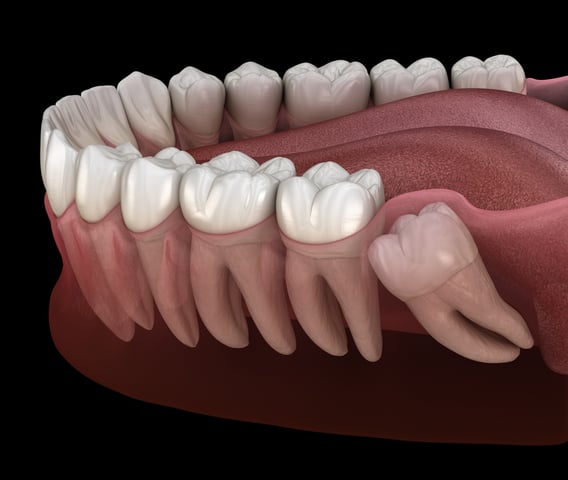
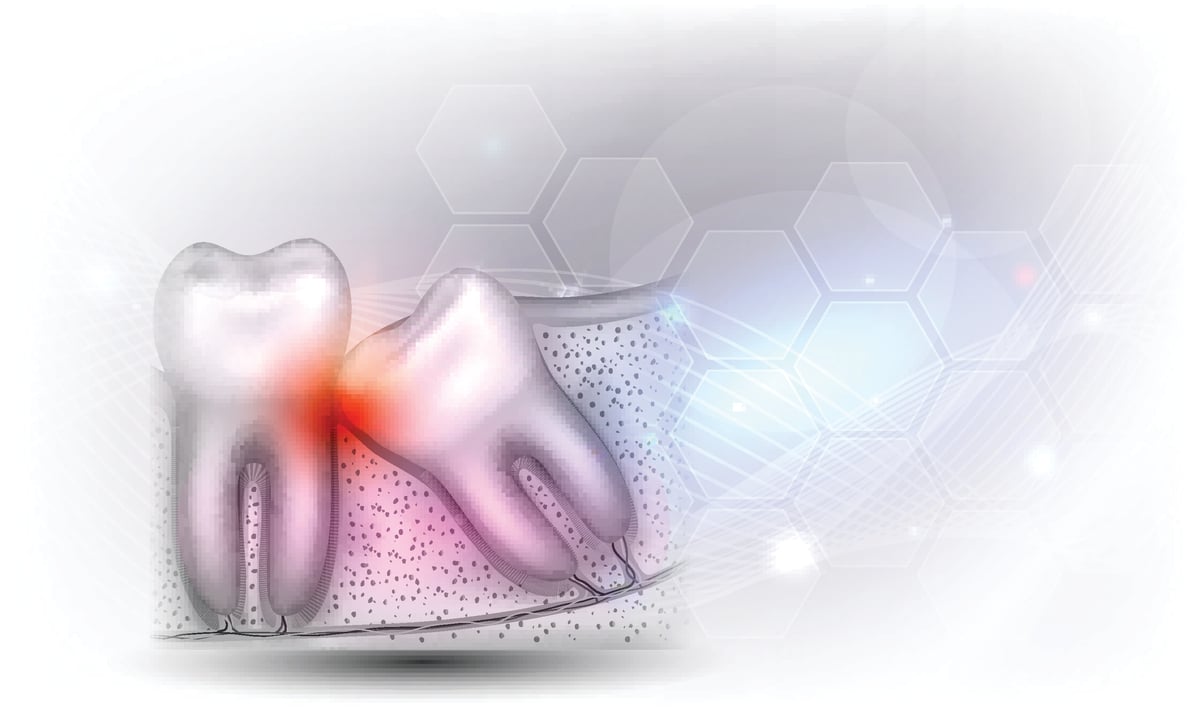
Wisdom teeth removal is one of the most common oral surgery procedures in the United States, with the American Association of Oral and Maxillofacial Surgeons estimating that approximately 85 percent of wisdom teeth, or third molars, will eventually need to be removed.
While wisdom teeth removal is an extremely safe and routine outpatient procedure, often completed in under two hours at your oral surgeon’s office, many patients are uncertain about what actually happens before, during, and after surgery.
At Northwest Oral & Maxillofacial Surgery, our board-certified surgeons perform wisdom tooth extractions almost every day. We find that understanding the complete timeline, from consultation to full wisdom teeth surgery recovery, can help make the experience far less stressful.
Below is a clear, step-by-step look at what you can expect from the moment you have an oral examination and X-rays of your mouth to the moment you’re fully healed.
Your Initial Consultation
The process begins with a comprehensive evaluation. Patients are generally first evaluated in their mid-teenage years by their dentist, orthodontist, or oral surgeon. When it has been determined that you may need your wisdom teeth removed, you will have a consultation with an oral surgeon.
During this appointment, your oral surgeon will:
- Review Medical and Dental History: Certain medications, health conditions, or previous treatments may influence anesthesia decisions and surgical planning.
- Conduct an Oral Examination: Your surgeon will evaluate your gum health, bite, and any visible eruption of your wisdom teeth.
- Take Diagnostic X-rays: Panoramic or 3D imaging allows the surgeon to see the exact position of the wisdom teeth, root formation, proximity to nerves, and signs of impaction.
- Determine if Removal is Recommended: Oral examination and X-rays will help evaluate the position of the wisdom teeth and predict if there may be present or future problems. When removal is needed, dentists often recommend extracting wisdom teeth in the late teens or early 20s, when the roots are less developed and the jawbone is less dense, which typically makes surgery easier and recovery faster.
- Discuss Anesthesia Options: In most cases, the removal of wisdom teeth is performed under general anesthesia.
- Review Surgical Process and Recovery Timeline: This is your chance to ask questions, express concerns, and plan the timing of your surgery around school, work, or family obligations.
If extraction is recommended, you will leave the consultation with a clear treatment plan, scheduling information, and pre-operative instructions.
Preparing for the Surgery
To make your wisdom teeth removal a smooth procedure, here are some pre-surgery items to consider in the days before your appointment:
- Arrange Transportation: Since most wisdom tooth removal is performed under general anesthesia, you will need a responsible person to drive you home.
- Reviewing Medication Guidelines: Your surgeon may advise pausing certain medications or supplements before surgery.
- Stocking Up on Recovery Essentials: Soft foods (yogurt, soup, mashed potatoes), ice packs, over-the-counter pain relief, and salt for rinses are useful to have on hand.
- Understanding Pain-Management Options: Northwest Oral & Maxillofacial Surgery follows a conservative, opioid-sparing approach. Many patients achieve excellent relief with alternating ibuprofen and acetaminophen. Some also choose Exparel, a long-lasting local anesthetic that provides up to 72 hours of numbness, reducing or eliminating the need for opioid medication.
- Fasting Instructions: If anesthesia is planned, you will be told when to stop eating or drinking before surgery. It’s important to follow these instructions to prevent complications, such as aspiration, during anesthesia.
Proper preparation contributes greatly to your comfort and confidence on the day of your surgery.
Day of Surgery
Most wisdom tooth extractions will take less than one hour, and patients typically spend two hours or less in the office, including post-surgery recovery time. Here’s what to expect on your day of surgery:
- Check-In and Pre-Op Review: You will need to arrive a little early to complete paperwork, review your medical history, confirm your anesthesia choice, and answer any last-minute questions.
- Anesthesia Administration: Once you’re in the surgical suite, your surgeon will administer the agreed-upon anesthesia. Most patients choose IV sedation or general anesthesia and sleep comfortably through the entire procedure.
- Extraction: Your oral surgeon will gently open the gum tissues over the tooth, remove any bone blocking access, extract the tooth, and then clean the area and place sutures as needed.
- Recovery Room: After surgery, you will rest quietly as the anesthesia wears off. Most patients experience mild grogginess, some swelling, and a small amount of bleeding.
Before you leave the office, your surgical team will review your post-operative instructions.
The First 24 Hours
The first 24 hours after wisdom tooth removal are critical because that is when the blood clot forms and stabilizes in the extraction site. The clot acts as a protective barrier over the exposed bone and nerve endings.
Protecting the blood clot is important because if it gets dislodged, then you can develop “dry socket”, which is quite painful and delays healing significantly.
In the first 24 hours, you will want to avoid:
- Drinking through straws.
- Spitting forcefully.
- Smoking or vaping.
- Vigorous tooth brushing or mouth rinsing.
- Hot liquids.
- Hard, crunchy, or chewy foods.
- Carbonated drinks or alcohol.
You will want to rest with your head slightly elevated, apply ice packs for 20 minutes on and off, and take pain medication as recommended by your doctor. Normal symptoms during the day after your surgery include:
- Mild-to-moderate discomfort.
- Swelling around the cheeks and jaw.
- Slight oozing of blood.
- Feeling drowsy.
You should contact your oral surgeon if there is persistent bleeding greater than 8 to 12 hours not relieved after attempts to apply pressure with fresh gauze, high fever (over 101 degrees) or chills, difficulty breathing or swallowing, or other signs of allergic reaction.
Days 2-4 After Surgery
Swelling typically peaks around 48 to 72 hours. During this stage:
- Continue pain medication as prescribed.
- Switch from ice to warm compresses to promote circulation.
- Resume gentle rinsing, such as salt-water rinses after meals.
- Stick to soft foods.
- Avoid strenuous exercise.
The good news is that most patients feel significantly more comfortable by day 4.
Days 5-7 After Surgery
Most patients can return to school, work, or light activities within five days, depending on how many teeth were extracted and whether impaction was involved. On day 5, patients should use the provided irrigation syringe to wash out any food debris that collects in the wisdom tooth sites. Continue irrigation until the gum tissues heal over at week 3-4. Persistent food impaction at surgical sites is a main cause of postoperative infections.
During this period:
- Swelling improves rapidly.
- Jaw soreness continues to fade.
- You can begin to introduce more solid foods.
- Sutures, if dissolvable, will start to break down naturally.
While the extraction sites are still healing underneath and won’t be fully healed for several weeks, most people will be back to normal by the end of week one.
Weeks 2-4 After Surgery
By the second week after your surgery, most of the visible healing will be complete. You may still notice:
- Mild tenderness at the extraction sites.
- Slight sensitivity when chewing.
- Small “craters” where the teeth were removed; these fill in gradually.
Unless otherwise instructed, patients can resume all physical activity during this stage.
Long-Term Healing
Recovery on the surface happens quickly, but the surgical sites themselves continue healing beneath the surface.
During this long-term recovery period, bone will fill in the sockets, gum tissue will rebuild, and nerves will normalize.
Complete healing can take several months, but this process is not painful and requires no special care beyond normal brushing, flossing, and routine dental visits.
Northwest Oral & Maxillofacial Surgery is Here to Help
At Northwest Oral & Maxillofacial Surgery, we specialize in the safe and effective removal of wisdom teeth to prevent pain, crowding, and other dental complications.
Our experienced surgeons use advanced techniques and appropriate anesthesia to ensure your comfort, protect your oral health, and promote a smooth recovery.
Understanding the timeline for wisdom tooth removal can help you plan confidently and avoid complications.
Schedule a consultation today with our board-certified oral surgeons. From consultation to recovery, we are committed to your comfort, well-being, and long-term results.