From Friday night football games to weekend soccer tournaments, youth sports are an important part of growing up. They help children and teenagers build confidence, develop teamwork skills, and stay physically active. However, whether it's an accidental elbow during basketball or a collision on the soccer field, injuries can happen in seconds.
When a young athlete experiences an injury to the face, mouth, or jaw, the first hour can make a significant difference in their recovery.
Unlike adults, children and teenagers are still developing. Their facial bones, jaws, and teeth continue to grow, making proper evaluation and treatment especially important.
Knowing how to respond to a facial injury can help parents, coaches, and young athletes protect their oral health and prevent complications.
Why Facial Injuries Are Especially Concerning for Young Athletes
Facial injuries are more common among young athletes than many parents realize.
According to the American Academy of Pediatrics (AAP), approximately 25% of school-aged children experience some form of dental trauma, and sports-related accidents account for an estimated 10% to 39% of dental injuries in children.
These injuries can occur during nearly any athletic activity, including football, basketball, baseball, soccer, gymnastics, and cheerleading.
Common sports-related facial injuries include:
- Chipped, cracked, or knocked-out teeth
- Fractures of the upper or lower jaw
- Cuts to the lips, cheeks, or gums
- Dislocated or displaced teeth
- Injuries to the jaw joint (TMJ)
- Fractures involving the cheekbones or eye sockets
For younger athletes, these injuries can be particularly concerning because their jaws and permanent teeth may still be developing.
An injury that appears minor initially could affect how their teeth align, how their jaw functions, or how their facial structures continue to grow.
Early evaluation is essential to identifying potential complications before they become more serious.
The First 10 Minutes: Assess the Injury and Stay Calm
When a child experiences a facial injury, the priority is determining whether emergency medical attention is necessary.
Immediately remove the athlete from play and assess their condition.
Look for Signs of a Serious Injury
Call 911 if the child experiences:
- Loss of consciousness or significant confusion
- Difficulty breathing or swallowing
- Severe or uncontrolled bleeding
- Seizures or repeated vomiting following a head injury
- Significant facial trauma accompanied by concerning neurological symptoms
These symptoms may indicate a serious head, neck, or facial injury requiring immediate emergency care.
If a head or neck injury is suspected, avoid unnecessary movement until emergency personnel arrive.
Even if the athlete appears alert, they should not return to the game until the injury has been properly evaluated. A suspected concussion requires medical assessment and clearance before returning to sports.
Control Bleeding and Reduce Swelling
For minor injuries involving the lips, cheeks, or gums, gently apply pressure using clean gauze or a cloth.
A cold compress wrapped in a towel can also help reduce swelling and discomfort. Apply it for approximately 10–15 minutes at a time without placing ice directly against the skin.
If bleeding continues despite steady pressure, or the injury involves a deep cut, seek urgent medical attention.
Minutes 10–20: Check for Tooth Damage
Dental injuries are among the most common facial injuries in young athletes.
A tooth may become chipped, loosened, displaced, or completely knocked out during a collision.
However, the appropriate response depends on whether the injured tooth is permanent or a baby tooth.
What If a Permanent Tooth Gets Knocked Out?
A knocked-out permanent tooth is a dental emergency.
According to Healthychildren.org, a permanent tooth has the best chance of being saved when it is returned to its socket within approximately 15 minutes. Successful treatment may still be possible within the first hour.
If a permanent tooth is knocked out:
- Locate the tooth and pick it up by the crown, not the root.
- If dirty, gently rinse it with milk or saline solution. Never scrub it.
- If the child is alert and it is safe to do so, carefully place the tooth back into its socket.
- If reinsertion is not possible, keep the tooth moist in milk or an appropriate tooth-preservation solution.
- Seek emergency dental care immediately.
Avoid storing the tooth dry or in plain water.
Important: Never attempt to reinsert a knocked-out baby tooth. Doing so could damage the permanent tooth developing underneath it.
If you're unsure whether the tooth is permanent, keep it moist and contact a dental professional immediately rather than attempting reinsertion.
Even chipped or loosened teeth should be evaluated promptly, as damage beneath the gumline may not be immediately visible.
Minutes 20–40: Recognize the Warning Signs of a Jaw Injury
Not every facial injury involves a visible cut or broken tooth.
Sometimes, the most concerning damage occurs beneath the surface.
A direct impact to the chin or side of the face can injure the jawbone or temporomandibular joint (TMJ), which connects the lower jaw to the skull.
Signs of a possible jaw fracture or injury include:
- Difficulty opening or closing the mouth
- Pain when chewing or speaking
- Teeth that suddenly no longer fit together properly
- Swelling or bruising around the jaw
- Numbness in the lower lip or chin
- An uneven or visibly displaced jaw
One particularly important warning sign is a sudden change in the child's bite.
If their upper and lower teeth no longer meet the way they did before the injury, it may indicate damage to the jaw or surrounding structures.
Do not attempt to straighten or reposition an injured jaw.
A suspected jaw fracture requires prompt evaluation in an emergency department. Until evaluated, avoid chewing or eating, and follow medical guidance regarding drinking.
Why Jaw Injuries Matter During Development
A child's jaw continues growing throughout childhood and adolescence.
Certain facial fractures, particularly those involving the jaw joint, can potentially interfere with normal growth if not properly diagnosed and managed.
This may contribute to future problems involving facial symmetry, bite alignment, or jaw movement.
Early treatment and appropriate follow-up help protect both current function and long-term development.
Minutes 40–60: Get the Right Medical Attention
Even when swelling or discomfort seems manageable, facial injuries should not automatically be dismissed.
Some fractures, tooth-root injuries, and jaw-joint problems are difficult to recognize without a professional examination.
An oral and maxillofacial surgeon has specialized training in evaluating injuries involving the teeth, jawbones, facial tissues, and surrounding structures.
Depending on the injury, treatment may involve:
- Imaging to identify fractures or displaced teeth
- Stabilizing injured teeth
- Repairing cuts or damaged soft tissue
- Repositioning and stabilizing fractured bones
- Monitoring jaw growth and healing over time
At Northwest Oral & Maxillofacial Surgery, our surgeons are experienced in treating facial trauma, including injuries to the teeth, jaw, and facial bones.
Our team understands the importance of restoring proper function while considering the long-term effects of facial injuries.
For serious injuries, emergency department evaluation should come first. An oral and maxillofacial surgeon may then assist with specialized treatment and follow-up care.
Preventing Facial Injuries Before They Happen
Although sports injuries cannot always be avoided, the right protective equipment can significantly reduce the risk.
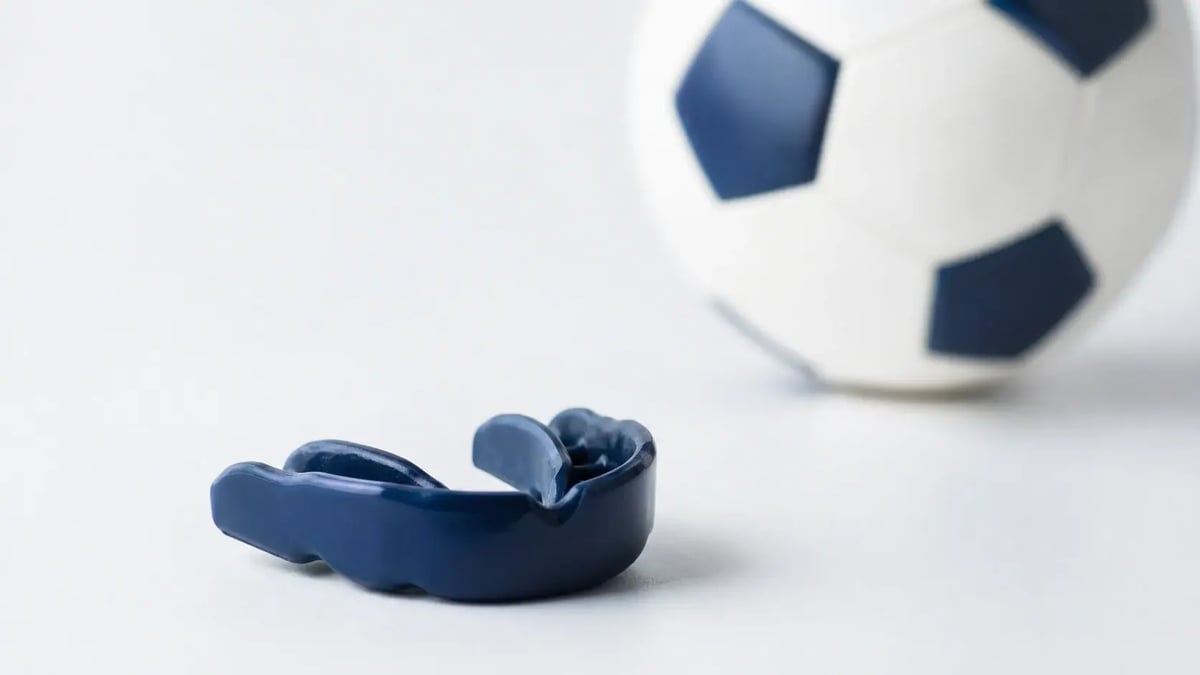
One of the simplest preventive measures is wearing a properly fitted mouthguard.
Mouthguards help protect teeth and surrounding oral tissues during collisions, falls, and accidental impacts.
The American Academy of Pediatrics recommends mouthguards for children participating in activities that place them at risk for dental injuries.
Parents and coaches can also encourage safer participation by ensuring young athletes:
- Wear appropriate helmets and facial protection.
- Use properly fitted mouthguards during practices and games.
- Follow sport-specific safety rules.
- Report facial injuries immediately, even when pain seems minor.
- Avoid returning to play before receiving appropriate medical clearance.
For children with braces, orthodontic appliances, or developing permanent teeth, selecting appropriate protective equipment is especially important.
A dentist can help determine which mouthguard offers the best fit as a child's mouth continues to grow.
Don't Overlook Injuries After the Game
Sometimes, symptoms become more noticeable several hours or even days after an injury.
Parents should continue monitoring their child for persistent jaw pain, increasing swelling, difficulty chewing, changes in their bite, or tooth discoloration.
A tooth that appears normal immediately after an impact may still have sustained internal damage.
Likewise, a jaw injury may require follow-up appointments to ensure healing progresses appropriately.
Young athletes should not return to contact sports until their treating healthcare professional confirms that it is safe.
Taking time to heal properly helps reduce the risk of additional injuries and long-term complications.
Protecting Growing Smiles Starts With Acting Quickly
Sports provide incredible opportunities for children and teenagers to stay active, develop friendships, and build lifelong skills. However, protecting their growing smiles should always be part of the game plan.
When facial injuries happen, knowing what to do during the first hour can make a meaningful difference.
From preserving a knocked-out permanent tooth to recognizing the warning signs of a jaw fracture, quick action and professional evaluation can help protect a young athlete's oral health and development.
At Northwest Oral & Maxillofacial Surgery, our experienced surgeons provide specialized care for facial trauma, jaw injuries, and other oral and maxillofacial conditions.
If your child has experienced a sports-related injury to the face or jaw, don't wait for symptoms to worsen. For serious injuries, seek emergency medical care immediately. For evaluation and follow-up treatment, contact Northwest Oral & Maxillofacial Surgery to learn how our team can help protect your child's developing smile.