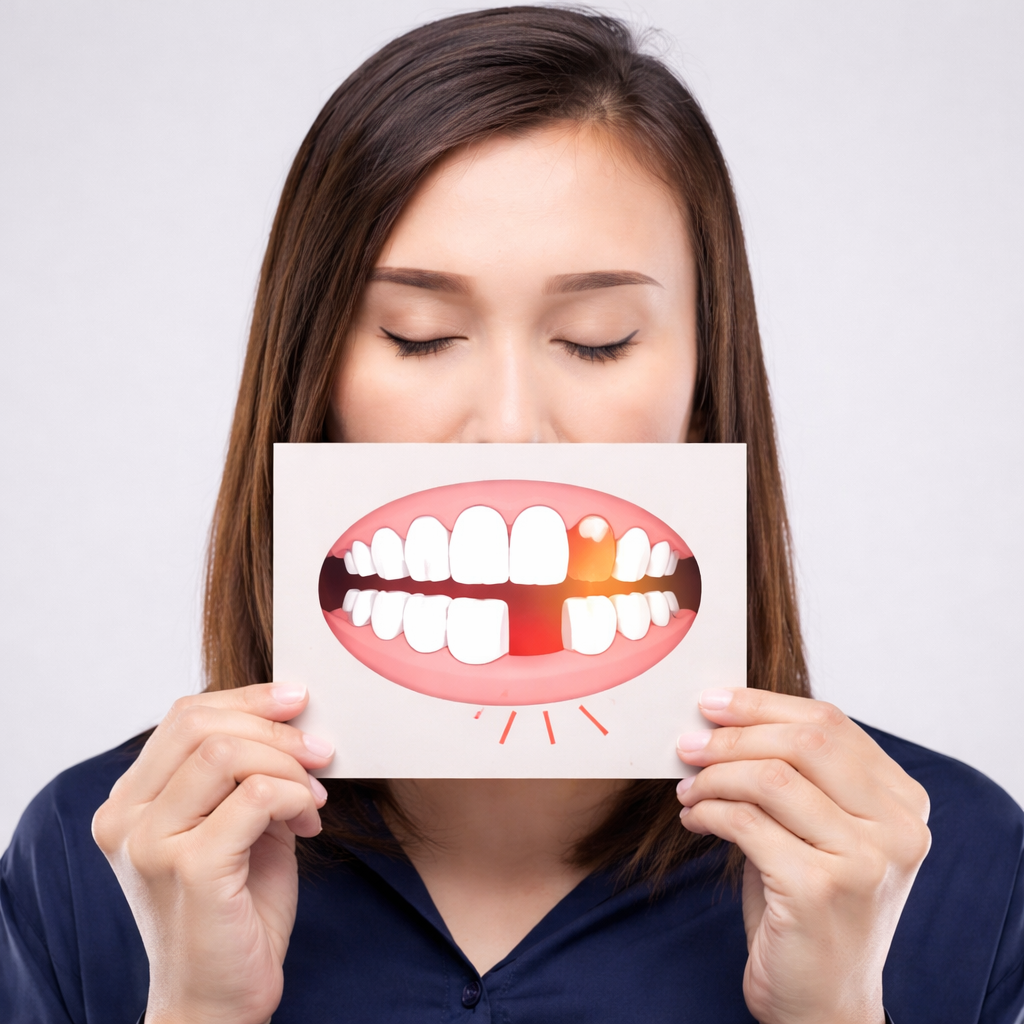
Tooth loss is often thought of as a cosmetic issue, something that mainly affects the appearance of your smile. But the truth is that missing teeth can have far-reaching effects on your oral health, overall health, and quality of life. From difficulty chewing nutritious foods to increased risk of bone loss and systemic health concerns, leaving missing teeth untreated can create a cascade of problems over time.
One recent example that brought attention to the importance of dental health occurred during the 2026 Winter Olympics. In the gold medal ice hockey game against Canada, Team USA forward Jack Hughes lost several front teeth after taking a high stick to the mouth during the third period. Despite the painful injury, Hughes returned to the ice and scored the game-winning overtime goal, helping the United States secure its first Olympic men’s hockey gold medal since 1980. The dramatic moment showed how sudden tooth loss can occur, even to Olympic-winning athletes, and highlights why replacing missing teeth quickly is important for both oral health and overall well-being.
For adults considering tooth replacement options, understanding the health effects of missing teeth is an important step toward protecting long-term wellness. Fortunately, modern solutions such as dental implants can restore both function and confidence.
How Common Is Tooth Loss?
Tooth loss is more common than many people realize. According to oral health research:
- About 178 million adults in the U.S. are missing at least one tooth.
- Among adults aged 65 to 74, around 11% have lost all their teeth, and the rate increases with age.
- Studies show that adults in the U.S. have an average of 25.5 remaining teeth.
While tooth loss can occur due to injury, gum disease, or severe decay, the long-term consequences often extend far beyond the missing tooth itself.
The Hidden Health Effects of Missing Teeth
Many patients assume replacing a missing tooth is optional if it doesn’t cause immediate pain. However, oral health professionals warn that the absence of even one tooth can affect the entire mouth and potentially impact overall health.
Here are several ways missing teeth may influence your well-being.
1. Jawbone Loss and Changes in Facial Structure
One of the most significant consequences of missing teeth is bone loss in the jaw. Natural tooth roots stimulate the jawbone when you chew. When a tooth is missing, that stimulation disappears.
Over time, the bone in that area begins to shrink or resorb.
- Without stimulation, the jawbone can gradually deteriorate.
- Bone loss can affect facial shape, sometimes creating a sunken or prematurely aged appearance.
This process can begin soon after tooth loss and continue over time, making later treatment more complex.
2. Difficulty Chewing and Poor Nutrition
Teeth play a critical role in chewing food efficiently. When one or more teeth are missing, it becomes harder to break down certain foods, especially nutritious options like fruits, vegetables, nuts, and lean proteins.
Research indicates that tooth loss can impair chewing and impact nutritional intake, often leading people to switch to softer and sometimes less healthy foods.
Over time, this change in diet may lead to:
- Lower intake of essential nutrients
- Reduced enjoyment of meals
- Increased reliance on processed foods
Maintaining a full set of functional teeth helps ensure proper digestion and balanced nutrition.
3. Shifting Teeth and Bite Problems
When a tooth is lost, the surrounding teeth naturally begin to shift toward the space. This movement can create several oral health issues, including:
- Bite misalignment
- Uneven wear on teeth
- Jaw discomfort
- Increased risk of additional tooth loss
Over time, this shifting can cause a domino effect where multiple teeth are affected by the original gap.
Replacing missing teeth helps stabilize the bite and prevent further complications.
4. Increased Risk of Gum Disease and Tooth Decay
The gaps created by missing teeth can trap food particles and bacteria. These areas are often harder to clean with brushing and flossing, which can increase the risk of oral infections.
If left untreated, this environment may contribute to:
- Gum disease
- Tooth decay in neighboring teeth
- Inflammation in the surrounding tissues
Gum disease is already one of the leading causes of tooth loss in adults, so preventing additional oral health problems is essential.
5. Speech and Confidence Issues
Teeth play an important role in forming certain sounds. Missing teeth, particularly in the front of the mouth, can make pronunciation more difficult.
Some people may experience:
- Slurred speech
- Difficulty pronouncing certain words
- Self-consciousness when speaking or smiling
Beyond physical function, missing teeth can also impact emotional well-being and confidence. Studies show that tooth loss is associated with reduced oral health–related quality of life, including social discomfort and psychological effects.
6. Potential Links to Systemic Health Risks
Researchers are increasingly exploring the connection between oral health and overall health. Several studies suggest that tooth loss may be associated with broader health concerns.
For example:
- Tooth loss has been linked to increased risk indicators for systemic conditions such as cardiovascular disease and stroke.
- Some studies have found associations between complete tooth loss and higher mortality risk related to respiratory or cancer-related causes.
While tooth loss itself may not directly cause these conditions, it often reflects underlying oral inflammation or chronic health issues that can affect the entire body.
Why Replacing Missing Teeth Matters
Because of the potential health effects, oral surgeons and dental professionals encourage patients to replace missing teeth whenever possible.
Treatment options may include:
- Dental implants
- Implant-supported bridges
- Implant-supported dentures
Among these solutions, dental implants are widely considered the closest replacement to natural teeth. Implants act as artificial tooth roots that integrate with the jawbone, helping restore both function and stability.
In addition to filling the gap in your smile, implants can:
- Improve chewing ability
- Prevent bone loss
- Maintain facial structure
- Protect surrounding teeth from shifting
With proper care, dental implants can last for decades and significantly improve the quality of life.
When Should You Seek Treatment for Missing Teeth?
Many patients wait months or even years before replacing a missing tooth. However, the earlier treatment begins, the easier it is to prevent additional complications.
You should consider speaking with an oral and maxillofacial surgeon if you experience:
- One or more missing teeth
- Difficulty chewing certain foods
- Shifting teeth or changes in your bite
- Jaw discomfort or facial changes
Early evaluation can help determine the best treatment plan and preserve long-term oral health.
Protecting Your Smile and Your Health
Missing teeth are more than a cosmetic concern. They can affect how you eat, speak, and maintain your overall health. From jawbone loss and shifting teeth to potential systemic health connections, the long-term effects of untreated tooth loss can be significant.
Fortunately, modern dentistry offers effective solutions that restore both function and confidence. Replacing missing teeth, especially with advanced options like dental implants, can help protect your oral health and improve your quality of life for years to come.
If you’re dealing with tooth loss, the specialists at Northwest Oral & Maxillofacial Surgery can help you explore advanced solutions like dental implants that restore both function and confidence.
Our experienced oral surgeons provide personalized treatment plans designed to support lasting oral health and natural-looking results. Schedule a consultation today to learn how replacing missing teeth can improve your smile and overall well-being.